
It’s been a while, and I’ve been busy. In spring I visited the Stockholm Resilience Centre for three months, spending time with my dear friend and brilliant researcher María Mancilla. Sharing my experience with a friend last week, I said I felt my wings unfolding during my time there. A weird sentiment for a mid-career who spends most of her energy in the publish or perish hamster wheel. I was asked, what exactly made you feel that way? so I thought of leaving some notes here, in case it inspires those interested in transdisciplinarity as a research culture.
The first thing, on the very first day, that stroke me were the Speed Talk sessions. One hour every Monday, the whole centre attends, even the management team. A simple format that works for many purposes: learning about what others do; practice public talking by sharing your work, ideas, desires, whatever!; updating the centre’s agenda; transparency and accountability; introducing new people. All of which nurtures a sense of community and belonging. I was thrilled by Line Gordon’, SRC director, management updates at the end of the sessions, how she conveyed messages of empathy and self-care in a very demanding profession.
If I were to decide on the predominant collective feeling I perceived during my time there, I’d choose pride. People are proud to be part of SRC, they feel represented by, and representing, the centre. They align with its vision and values, and know how to contribute to making them real. There were messages repeated every now and then like ‘it is researchers who make possible collaboration and transdisciplinarity everyday’. They share this responsibility together.
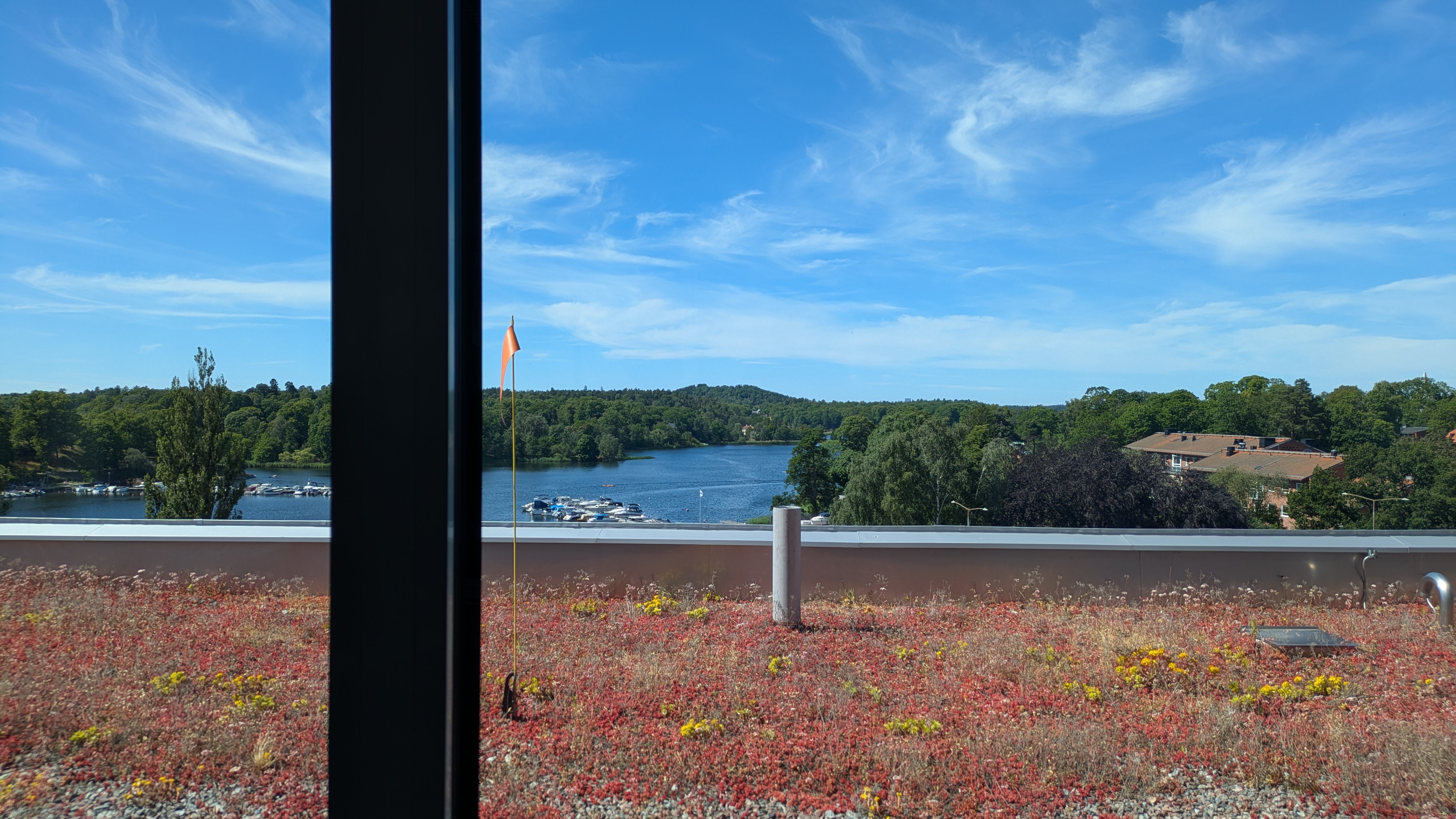
The centre structure contributes too. SRC is designed, materially and politically, to flat academic hierarchies. All spaces are open, in hot-desk mode, only those with special needs have private offices. There are plenty of rooms for meetings, nice kitchen and living room, sofas and comfortable corners all around, walls decorated with arts and pics made by researchers. And of course the views to the beautiful Brunnsviken Lake. It’s just cool to be there.
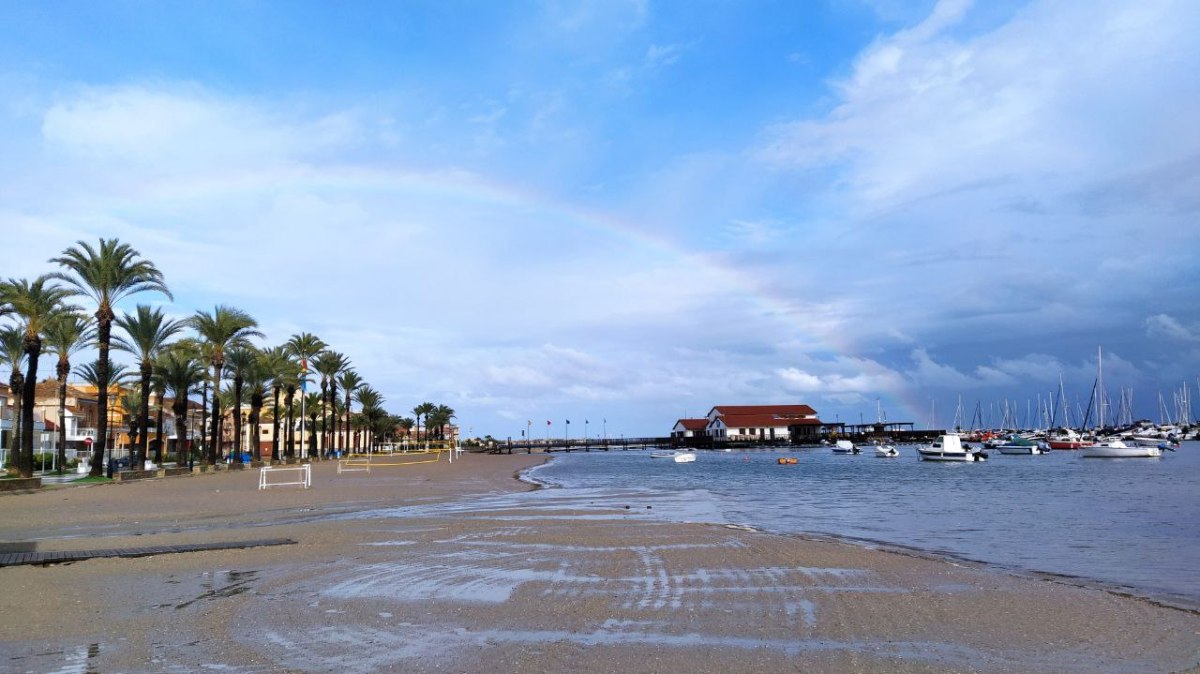
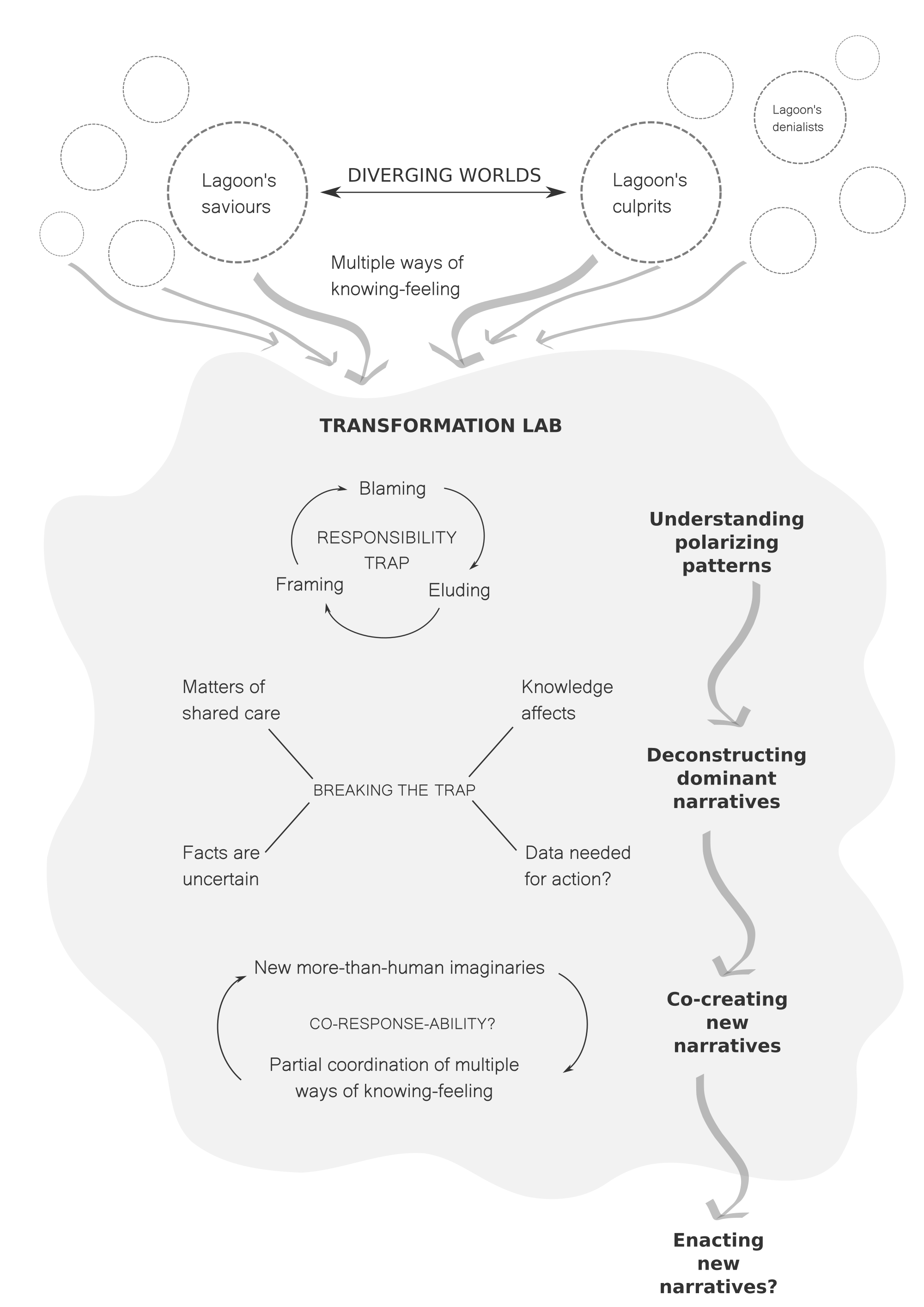
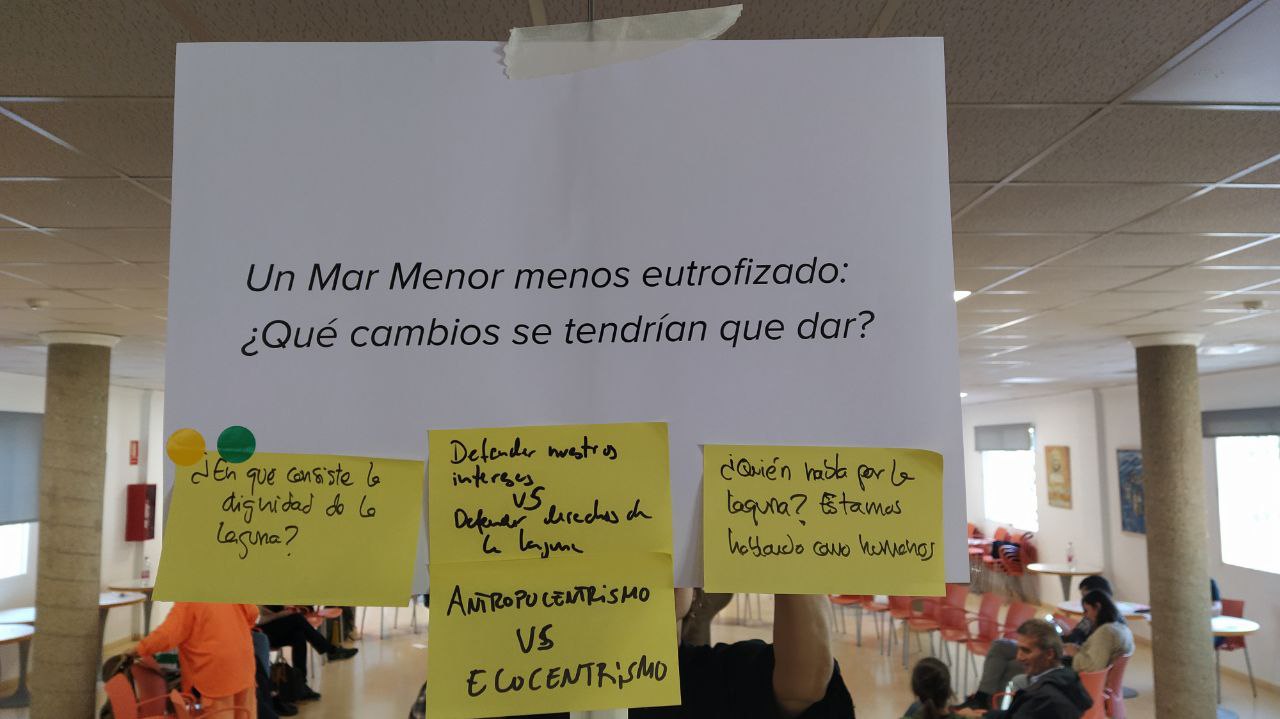
There are no permanent ‘research lines’ or groups, everyone is welcome to collaborate with everyone and researchers organise ad hoc teams for each project. The management team holds strategic decision-making power. Among other things, they decide on the quinquennial research areas structuring collaboration and learning across disciplines within the centre. These themes are led by a team of middle career reseachers with a dedicated budget to organise training and collaborative activities to which anyone can attend. For instance I contributed to the themes on ‘Conflict & Collaboration’ and ‘How to do sustainability science’ with a practice session on conflict facilitation in transdisciplinary processes and a presentation of my research in the Mar Menor.
But collaboration is not only a matter of care and good vibes at SRC. It is also a matter of impact. The centre is committed to advance sustainability transformations across the world by collaborating with all relevant actors. Undoubtedly, the highly qualified communication team makes a great difference here. I participated in a session with representatives from Swedish food retailing companies to discuss how they can hep promote more sustainable vegetable production in the Mar Menor area, with Amanda Jimenez presenting the impressive work of the XPaths project. I was honored to share my work and the problems of this region with so important and difficult to reach actors.
Last but not least, there was fun. SRC people of all ages love celebrating and apparently parties are legendary. While I was there, first year master students organised a summer party within the centre facilities to commemorate their second year colleagues’ graduation. It was full of care, pride, tears, good food and community. We danced for hours while the sun barely set on the lake. I really enjoyed that moment, I thought that bodies dancing together is just what sustainability research needs.
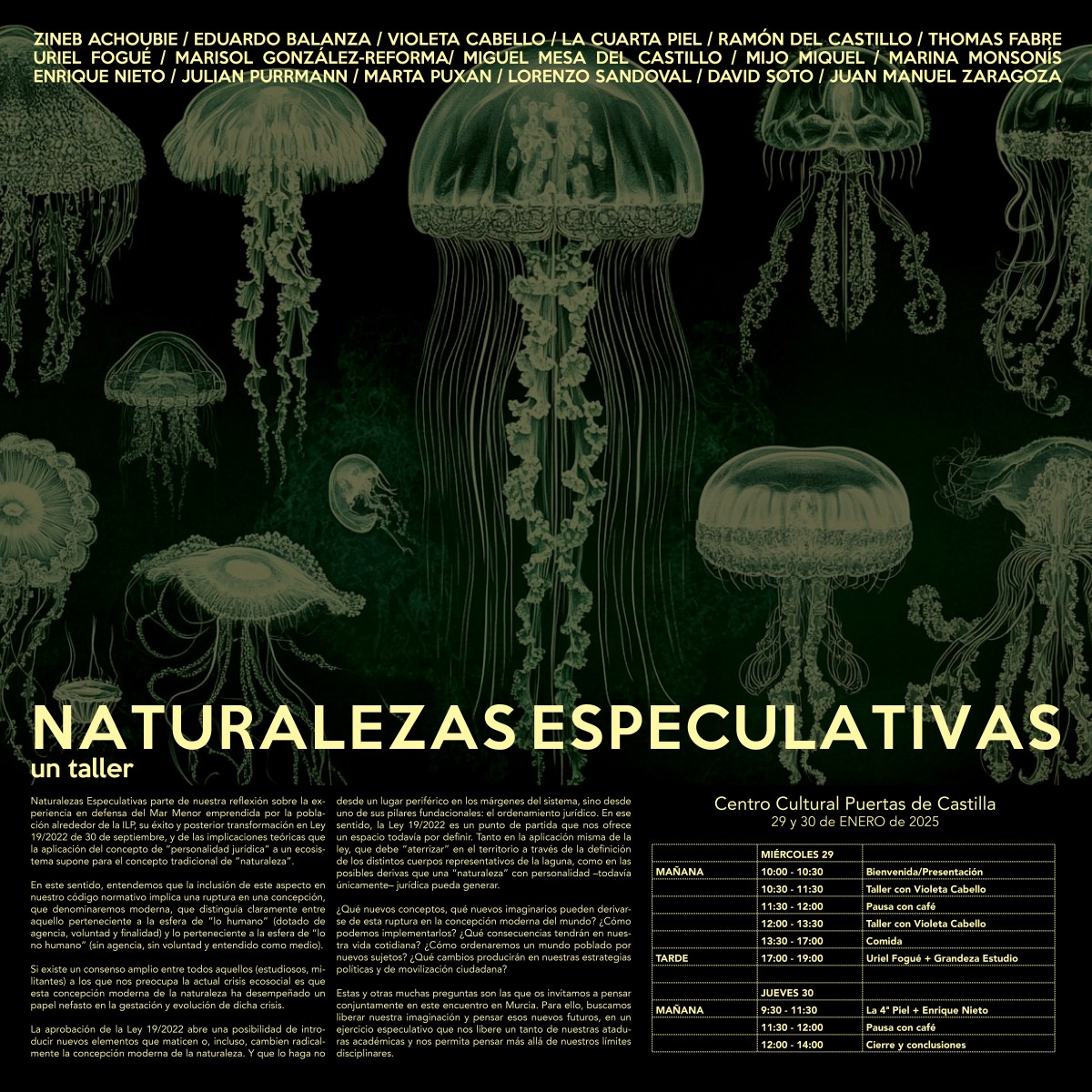
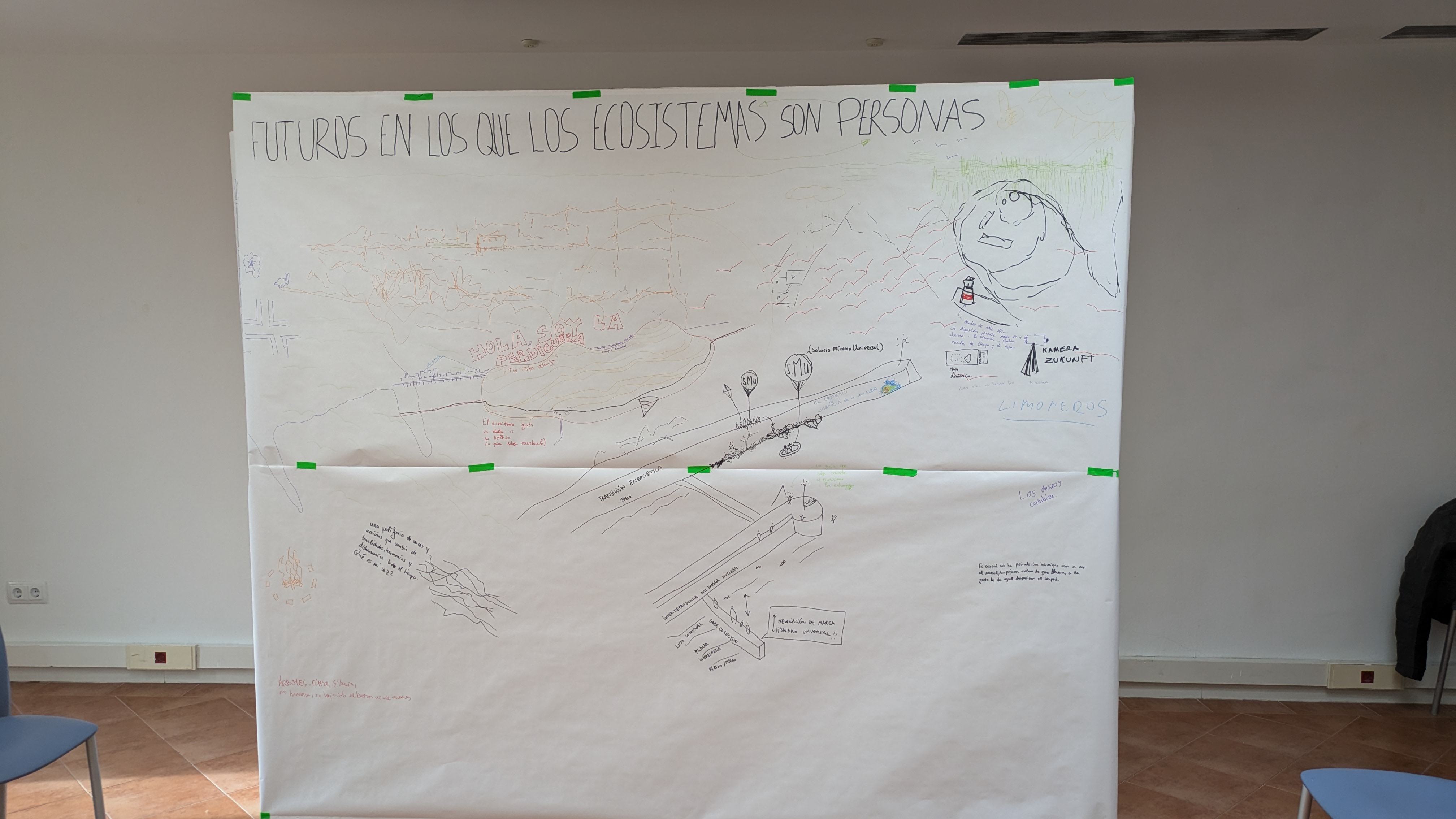
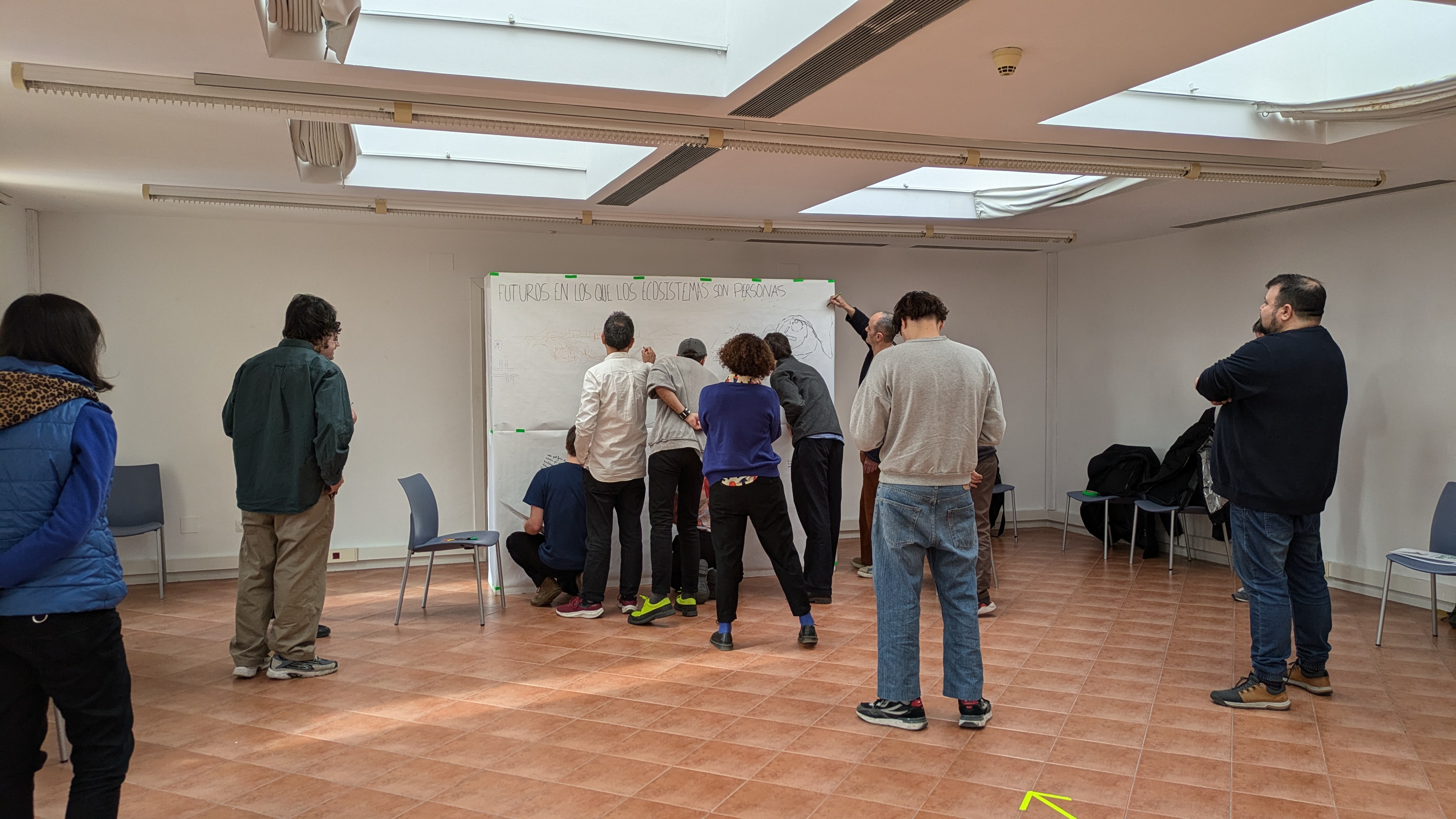






 Violeta Cabello